


From Brief to Delivery: The Complete Journey of a Custom Woven Label Order
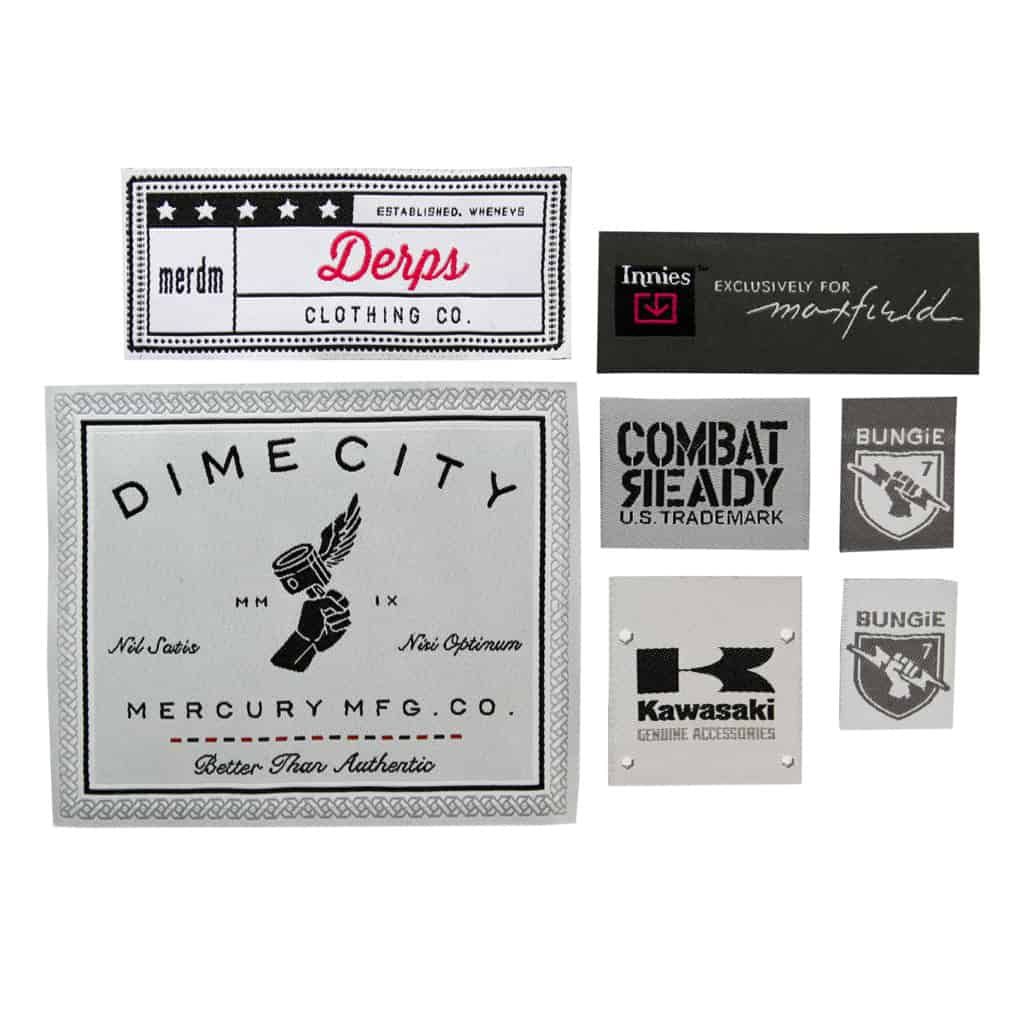
Custom woven label orders require clear specifications, careful design approval, and disciplined project management to move from initial brief to final delivery. The process involves eight sequential steps, from requirements collection through post-delivery review, with each stage presenting risks for miscommunication, delays, and cost overruns. Understanding the full workflow helps agencies prevent rework, avoid compliance pitfalls, and maintain client relationships.
Key points
- Specifications must include vector artwork, exact dimensions, and Pantone color codes. Missing or incorrect specifications force rework during proofing and sampling, adding time and cost to projects.
- Lead times vary significantly by geography and production method. Domestic label runs take one to two weeks, while overseas production takes three to five weeks including shipping and customs, with most woven-label projects completing in 10 to 14 business days.
- Minimum order quantities affect budgeting and campaign flexibility. Some suppliers accept as few as five pieces, while many manufacturers require hundreds; this difference changes cost structure and timing for small or iterative campaigns.
- Attachment method choice influences comfort, durability, and fulfillment. Sewn-in labels are durable but require sewing stations, while heat-transfer labels improve wearer comfort but need different equipment and quality control checks.
- Distributed teams succeed with clear channel rules and a single source of truth for specifications. According to the source, "a centralized documentation approach combined with a capable project management system and regular cadence helps prevent delays common to distributed work."
- Quality control relies on objective gates, measurable evidence standards, and defined escalation paths. Pre-shipment inspection, batch traceability, and timestamped approvals reduce frequency and impact of failures, with projects measured using KPIs including cycle time, approval turnaround, and QC pass rates.
Summarized by MalakyeAI