


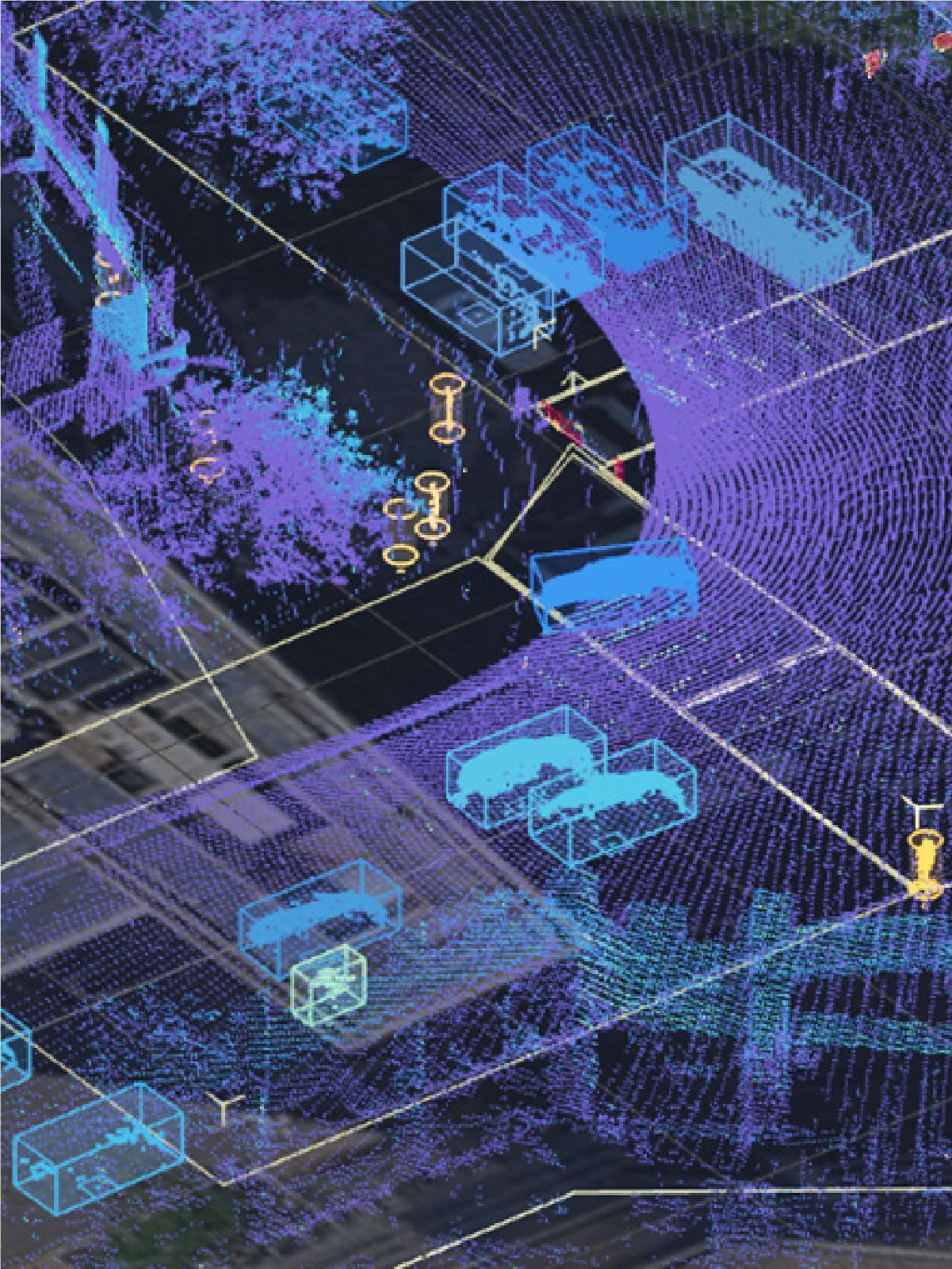
Artificial intelligence is reshaping transportation safety analysis by enabling real-time risk detection and proactive interventions at intersections. However, AI is not a universal solution and requires careful human oversight to avoid blind spots in flawed datasets. Two cities demonstrate where AI technology delivers measurable results while highlighting the continued importance of professional judgment.
Key points
- Bellevue deployed LiDAR and video sensors at signalized intersections to detect conflicts in real time. The system tracks pedestrians, cyclists, and vehicles, triggering interventions like extending walk phases or activating "No Turn on Red" signs when needed.
- Vulnerable road user near misses dropped by more than 45% in Bellevue's pilot program. Walk-extension operations reduced near misses by 51%, while dynamic "No Turn on Red" reduced them by 43%.
- San Bernardino installed dilemma zone upgrades at 49 intersections using camera-and-radar detection systems. The technology identifies vehicles in unsafe stopping positions and creates protective intervals to prevent rear-end and right-angle crashes.
- San Bernardino's dilemma zone upgrades achieved a 50% reduction in total crashes. Fatal and severe injury crashes decreased by 80%, with an estimated 11.5 fewer fatal crashes annually across treated intersections.
- AI can process flawed safety data and return results that appear statistically confident without flagging gaps. "Unless specifically and systematically prompted, AI does not" flag inconsistencies in crash records, creating invisible blind spots that may underrepresent dangerous corridors or underreported neighborhoods.
- Human review remains essential for converting AI analysis into trustworthy safety decisions. The most successful agencies use AI to inform decisions rather than make them, combining technology speed with engineering judgment and community priorities.
Summarized by MalakyeAI