


Apple's Answer to the Fitbit Air Should Be an 'iRing,' Not Another Fitness Band
By PCMag
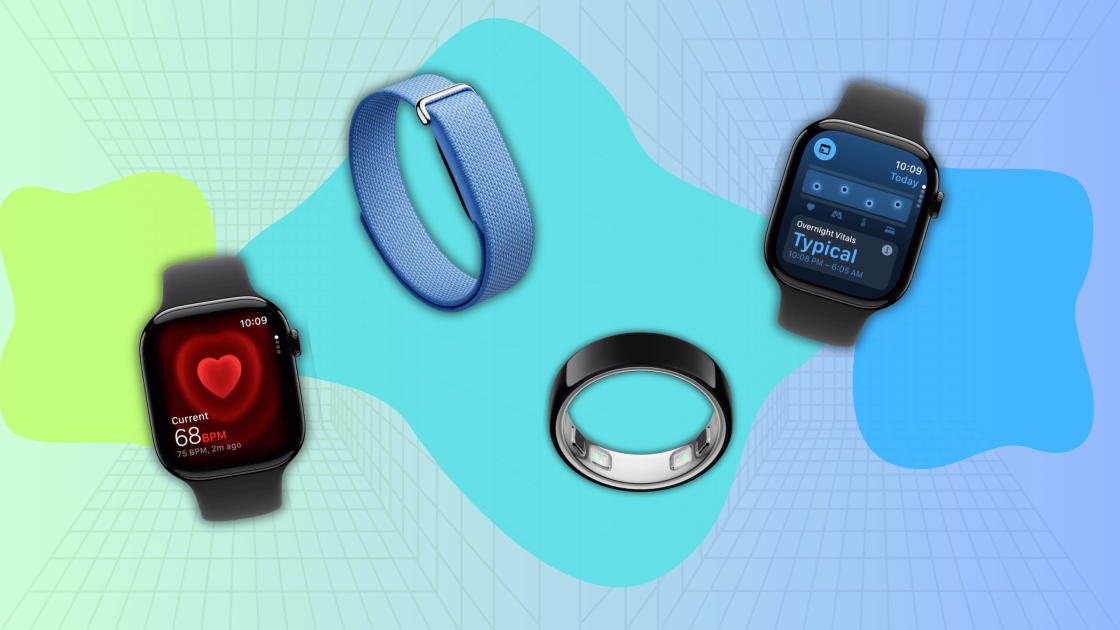
Google's $99 Fitbit Air demonstrates that non-smartwatch wearables deserve investment, but Apple should pursue a different path. Rather than creating another fitness band, Apple could develop a smart ring that tracks health metrics without the screen distraction of a traditional watch. A smart ring would offer less obtrusive monitoring while serving as a fashion accessory.
Key points
- Fitbit Air proves screenless fitness trackers have market value. Google's lightweight device avoids subscriptions and demonstrates consumer appetite for unobtrusive health monitoring without constant notifications.
- Apple should create a smart ring instead of another wristband. The company has an opportunity to differentiate itself by exploring the smart ring space pioneered by competitors like Oura, rather than duplicating existing fitness band designs.
- Smart rings are less disruptive than watches for sleep tracking. Rings are less bothersome to wear overnight and can collect meaningful data independently, addressing a key limitation where users report their Apple Watch disrupts their sleep.
- A smart ring expands Apple Health capabilities without screen fatigue. The device could complement the Apple Watch by offering stress tracking and other vitals that Apple currently doesn't provide, while reducing wearable-related distractions.
- Advanced AI requires comprehensive health data from multiple sources. Apple's revamped Siri AI could provide personalized fitness recommendations, but only if it receives complete information about "sleep scores to resting heart rate" from unobtrusive monitoring devices.
- Smart rings offer fashion-forward design that wristbands cannot match. Recent advances make rings like the Oura Ring 5 more discreet and stylish, available in multiple finishes, making them more appealing as daily accessories than traditional fitness trackers.
Summarized by MalakyeAI