


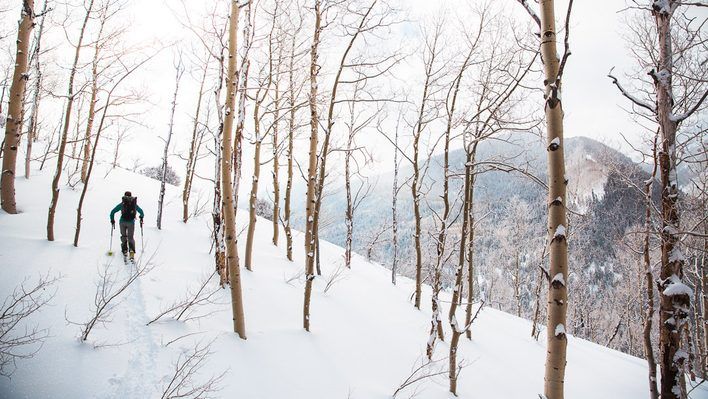
The U.S. Department of Agriculture announced plans to rescind the 2001 Roadless Rule, which protects 58.5 million acres of national forest from road construction and timber harvesting. The change would jeopardize thousands of miles of trails, climbing routes, and recreation areas across the West. A public comment period is open through September 21 for citizens to defend the protections.
Key points
- The Roadless Rule prohibits road construction in inventoried roadless forest areas. The 2001 regulation "prohibits road construction, reconstruction, and timber harvest" to prevent landscape fragmentation and preserve undeveloped backcountry.
- Rescinding the rule would endanger over 25,000 miles of trails and recreation. According to Outdoor Alliance, the change threatens 10,000 climbing routes, nearly 1,000 miles of whitewater, and over 10,000 miles of mountain biking access.
- The USDA argues the rule prevents wildfire management efforts. However, the Roadless Rule specifically allows road construction for fire prevention, and experts say "90% of human-caused fires happen within a half a mile of a road," suggesting development may increase fire risk.
- Roadless areas protect drinking water for over 60 million western residents. These inventoried lands serve as critical water sources and wildlife habitats that road development would fragment and damage.
- Local stakeholders worry rescinding the rule sets a dangerous precedent. Idaho and Colorado have their own roadless protections, but losing the federal rule could encourage future state-level removals affecting 13.5 million additional acres.
- Recreation communities emphasize the economic and cultural value of roadless access. Backcountry users and local leaders stress that "access to these wild spaces" drives community identity and population decisions in the Mountain West.
Summarized by MalakyeAI