


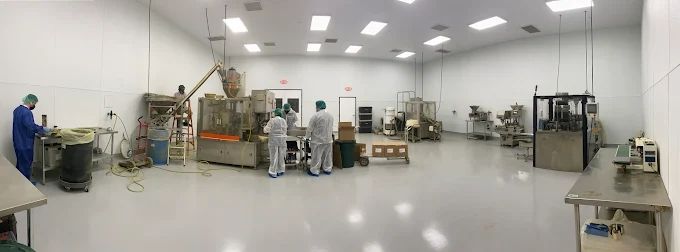
Kratom production involves multiple stages from harvest through laboratory testing, with decisions at each step affecting the final product's alkaloid profile and quality. Hand-harvesting from Southeast Asian farms, primarily Indonesia, determines vein color based on leaf maturity. Rigorous testing and documentation before sale distinguish reputable vendors from inconsistent producers in the fragmented kratom market.
Key points
- Harvest timing and vein color indicate leaf maturity and alkaloid development. White, green, and red vein categories represent the same species at different growth stages, with farmers using staggered schedules to pull leaves at the correct point for each product type.
- Drying methods significantly influence alkaloid content and final product character. Outdoor sun drying converts mitragynine to 7-hydroxymitragynine through UV exposure, while indoor fan-assisted drying maintains different alkaloid ratios, which is why "white vein kratom tends to have a different alkaloid character than red vein varieties."
- Fermentation alters alkaloid ratios through enzymatic and microbial interaction. The process, typically lasting 24 to 72 hours in sealed containers, is labor-intensive and most commonly applied to red vein and Bentuangie varieties, deepening powder color in the process.
- Destemming and cleaning before processing ensure consistent alkaloid profiles. Quality-focused producers remove stems before drying because stems contain different alkaloid ratios, and rigorous inspection eliminates ground-gathered leaves that may harbor pathogens.
- Third-party laboratory testing at batch level establishes documented product quality. ISO/IEC 17025-accredited facilities test for alkaloid content, heavy metals, microbial contamination, and pesticide residues, with "batch-specific COA documentation from accredited labs" distinguishing reputable vendors.
- Batch traceability systems allow vendors to document production from harvest through finished product. Vendors maintaining detailed batch documentation can trace any product back through its entire production chain, connecting strain, harvest, drying method, and lab results.
Summarized by MalakyeAI