


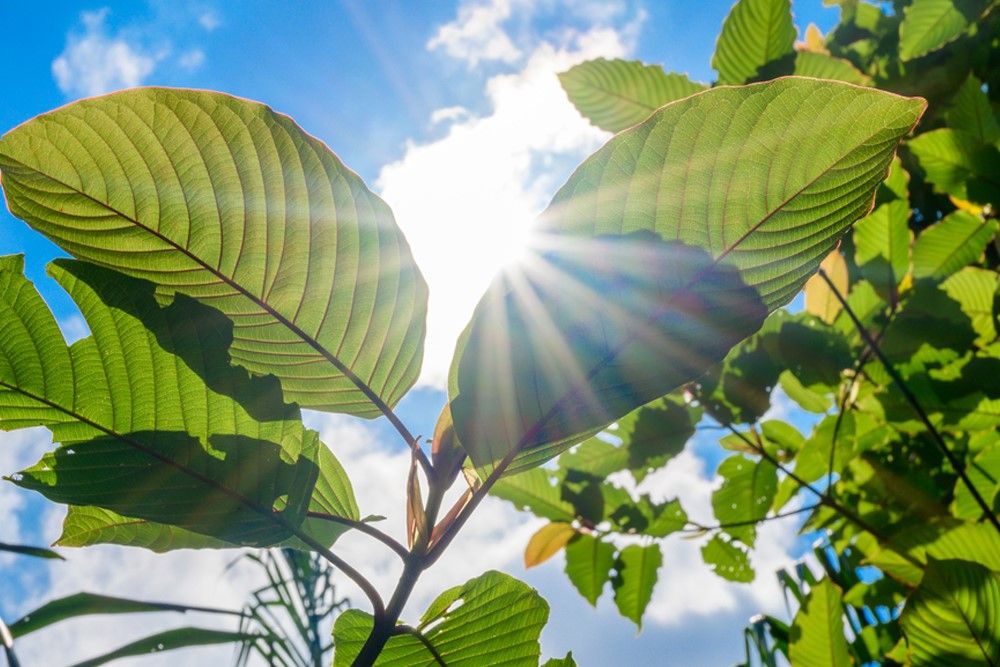
Yellow kratom is powder that takes on a yellowish tone through post-harvest processing methods like extended drying, fermentation, or blending—not a naturally occurring leaf variety. Unlike red, green, and white kratom, which are named for vein colors on fresh leaves, yellow kratom describes the finished product. No industry standard exists for how it's made, so vendors use different methods while applying the same label.
Key points
- Yellow kratom is a processing label, not a vein color. The Mitragyna speciosa plant does not grow leaves with naturally yellow veins, so the term describes the powder outcome rather than the source material.
- Extended or altered drying is the most commonly cited production method. White or green vein leaves are dried longer, at different temperatures, or with more sun exposure, causing the color to shift toward yellow tones as the leaf breaks down.
- Fermentation before drying and vein blending are alternative approaches. Some producers ferment freshly picked leaves before drying, while others mix green and white or red and green powder to create the yellow appearance.
- University of Florida research confirms drying temperature affects kratom color. A 2025 study showed that portions of the same harvest dried at 60°C darkened toward red, while portions dried at 25°C stayed green, "making processing-based explanations for yellow kratom plausible."
- Yellow kratom labels pair a processing term with a region name with no shared definition. Yellow Vietnam, Yellow Thai, Yellow Sumatra, and Yellow Indo all follow this format, but "two vendors can reach a yellowish powder by entirely different routes and still use the same label."
- [Kratom Spot](/companies/kratom-spot-8222) does not carry yellow kratom because the label lacks consistent sourcing and methodology. The company focuses on products tied to documented leaf sources and traceable lots, requiring customers to ask vendors directly about starting materials and processing methods before purchase.
Summarized by MalakyeAI