


How to Inspect a Used Boat Before You Buy
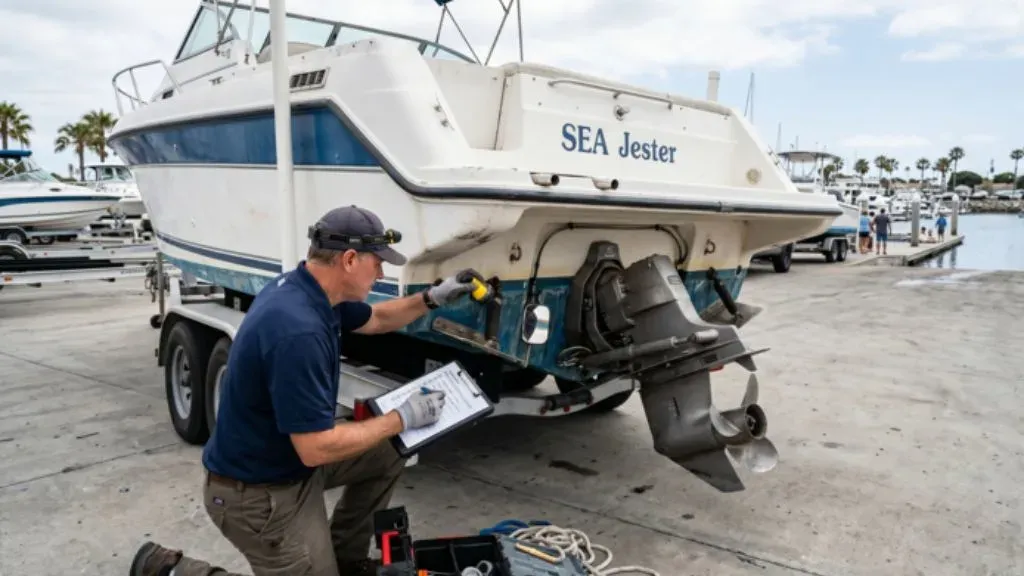
Prospective boat buyers can realize ownership dreams affordably by purchasing used vessels, but thorough inspection is essential to avoid costly mistakes. A comprehensive evaluation covers documentation, hull condition, engine systems, electrical components, interior features, and running gear. Professional marine surveys and sea trials provide additional confidence before finalizing a purchase.
Key points
- Verify ownership documents and maintenance history before physical inspection. Check the bill of sale, HIN plate, registration, and complete service records to identify liens, accidents, and proper upkeep.
- Inspect the hull carefully for cracks, blisters, and signs of water damage. Run hands over the hull and tap fiberglass to detect structural issues; "significant or widespread blistering should be evaluated by a marine surveyor."
- Test engine condition by checking for corrosion, belt integrity, and operating hours. Evaluate cylinder compression, oil levels, and whether "the crank time for an engine in healthy condition to start is just a couple of seconds."
- Examine electrical systems and onboard equipment under load conditions. Test batteries, wiring, navigation lights, radio, GPS, and pumps since "electrical faults often can't be spotted by visual inspection alone."
- Conduct a sea trial to identify mechanical problems during actual operation. Cold-start the engine, test steering at varying speeds, and monitor for unusual noises, vibrations, or warning lights.
- Hire a professional marine surveyor for expensive vessels or suspected hidden damage. Professional surveys detect issues buyers may miss and provide valuation reports required by lenders and insurance companies.
Summarized by MalakyeAI