


Why Is My Boat Engine Overheating? Common Causes and Fixes
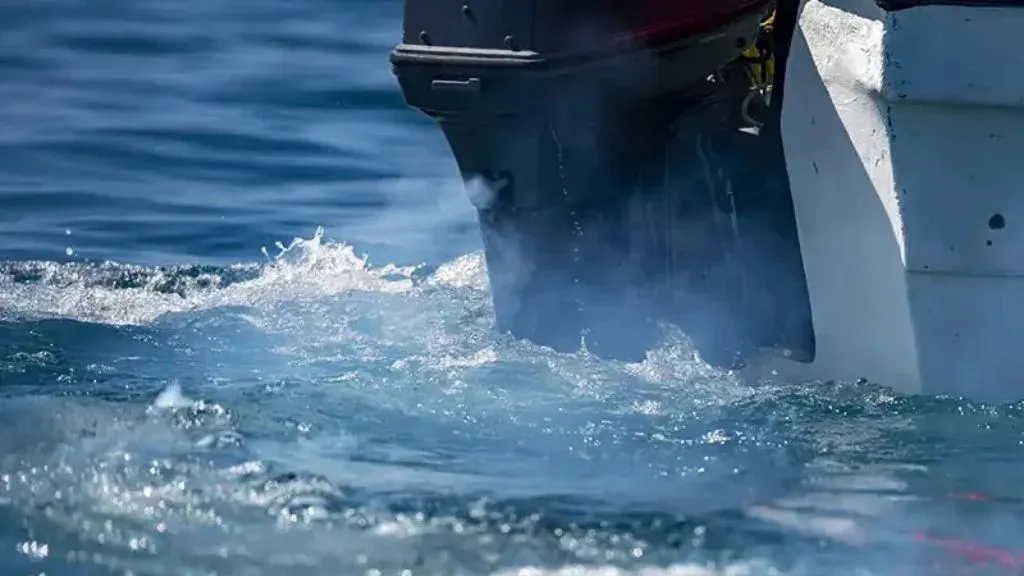
Boat engine overheating can quickly ruin a day on the water and cause serious mechanical damage if ignored. Most overheating issues stem from common, preventable problems like blocked water intakes, worn impellers, and clogged cooling systems. Early identification and proper troubleshooting can help boaters avoid costly repairs and engine failure.
Key points
- Temperature gauge movement into the red zone indicates engine overheating. Operators should also watch for steam, burning smells, warning lights, and weak or absent cooling water discharge from the telltale at the engine's rear.
- Blocked water intake is the most frequent cause of outboard engine overheating. Weeds, mud, plastic bags, and debris can clog the intake, restricting water flow and causing temperature spikes.
- Worn or damaged rubber impellers reduce cooling water circulation. Impellers can crack, become brittle, or melt over time, weakening the supply of cool water to the engine.
- When overheating occurs, reduce speed and shut down the engine safely in open water. Operators should avoid touching engine components and allow at least 30 minutes for cooling before inspection or restart.
- Regular maintenance prevents most overheating problems. Manufacturers like Yamaha recommend replacing impellers every 300 hours or three years, and flushing with fresh water after saltwater use prevents salt crystal buildup.
- Professional help is necessary if overheating persists after debris removal and basic troubleshooting. As one source states, "it is better to shut the engine down and get professional help" rather than risk severe engine damage.
Summarized by MalakyeAI