


40 mph Electric Bicycle: Speed, Legality & Real Performance
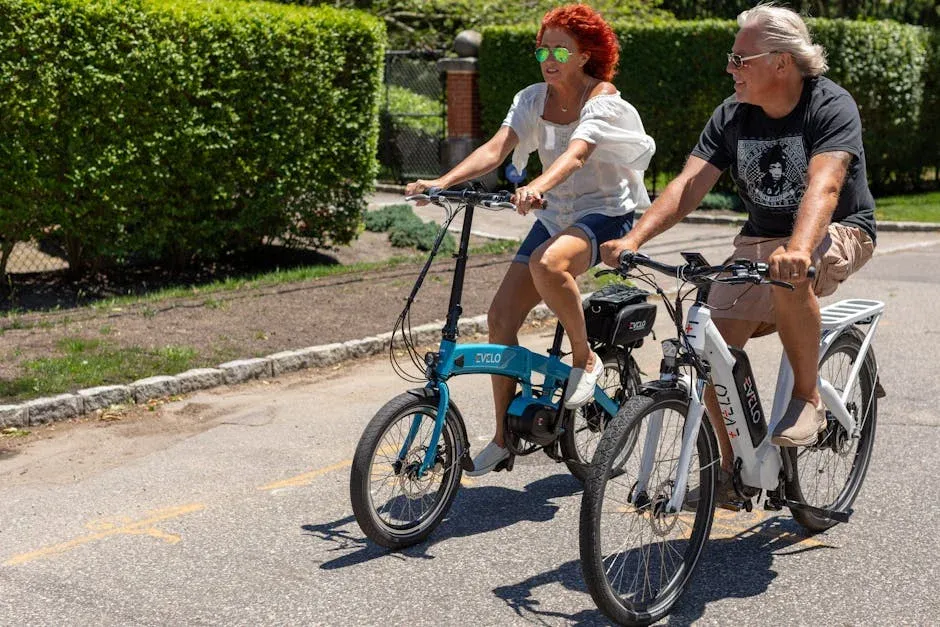
A 40 mph electric bicycle operates outside standard e-bike classifications in most U.S. states, entering moped or motorcycle territory with corresponding legal and safety implications. Achieving that speed requires high-voltage battery systems, dual motors, and specialized braking components. Buyers must verify state regulations before purchasing, as these machines typically cannot legally operate on bike paths or standard bike lanes.
Key points
- Federal e-bike classifications cap Class 3 at 28 mph with pedal assist. Anything reaching 40 mph under motor power alone exits bicycle classification and may require registration, insurance, and licensing depending on state vehicle codes.
- High-speed builds demand 52V battery systems and dual-motor configurations. A single hub motor struggles to maintain efficient power delivery past 30 mph, making dual motors necessary for credible 40 mph capability.
- Peak wattage figures are momentary outputs, not sustained performance ratings. Continuous output on motors marketed at 1000W typically runs closer to 500W to 750W, a "category-wide transparency issue" that affects real-world performance expectations.
- Hydraulic disc brakes with adequate rotor diameter are mandatory safety equipment. Mechanical disc brakes found on budget builds are inadequate for 40 mph speeds, and undersized rotors present serious stopping concerns.
- Folding 500W e-bikes offer Class 2 capability within legal limits. The 25 mph top speed and removable 48V battery suit commuters, though 14-inch wheels amplify road vibration and reduce stability at higher speeds.
- Dual-motor 6000W builds require verification of brake specifications before purchase. Rotor diameter of 203mm or larger is necessary for effective heat dissipation during repeated high-speed stops.
Summarized by MalakyeAI