


500W eBike Motors Explained: What the Wattage Really Means
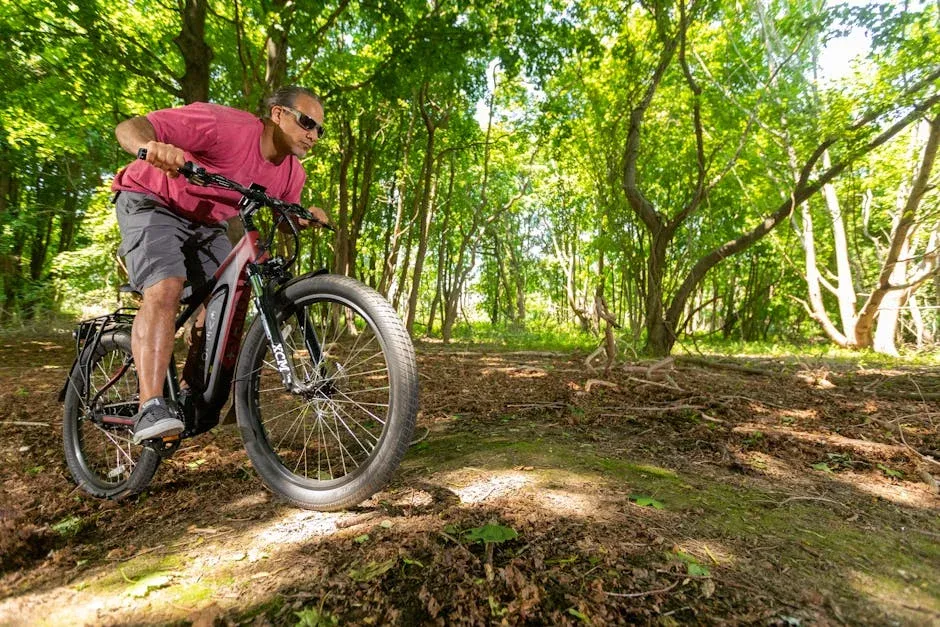
Electric bike motor wattage ratings lack industry standardization, meaning a 500W label can describe continuous output, peak output, or nominal wattage depending on the manufacturer. The distinction significantly affects real-world performance, range, and handling characteristics. Understanding what sits behind the specification matters more than the number itself.
Key points
- Motor wattage ratings are not standardized across the ebike industry. A 500W motor may indicate continuous rating, peak output, or nominal wattage, with continuous and peak ratings sometimes differing by a factor of two or more on the same motor.
- Continuous ratings sustain output under load without overheating. A motor with a 500W continuous rating will handle sustained climbs without throttling back, while a 500W peak rating may deliver that output for only seconds before power reduction.
- Torque sensors create more responsive, natural feel than cadence sensors. A 250W Fazua Ride 60 with torque sensing "can feel more capable on technical trail than a 750W cadence-sensor motor," because torque sensors measure actual pedal force and adjust assist proportionally.
- Manufacturer range claims are typically optimistic and should be discounted. Most brands test on flat pavement at low assist with lightweight riders, so "a claimed 35-mile range might translate to 20 to 22 miles of mixed terrain with moderate elevation."
- Budget 500W folding bikes offer compact design with practical trade-offs. The 48V 576Wh removable battery enables charging at a desk, but 14-inch wheels transmit more road feedback and require steering input adjustments at higher speeds.
- Motor wattage is a starting point, not the final evaluation criteria. The more useful questions involve whether the motor uses torque or cadence sensing and whether the controller offers configurable assist levels.
Summarized by MalakyeAI