


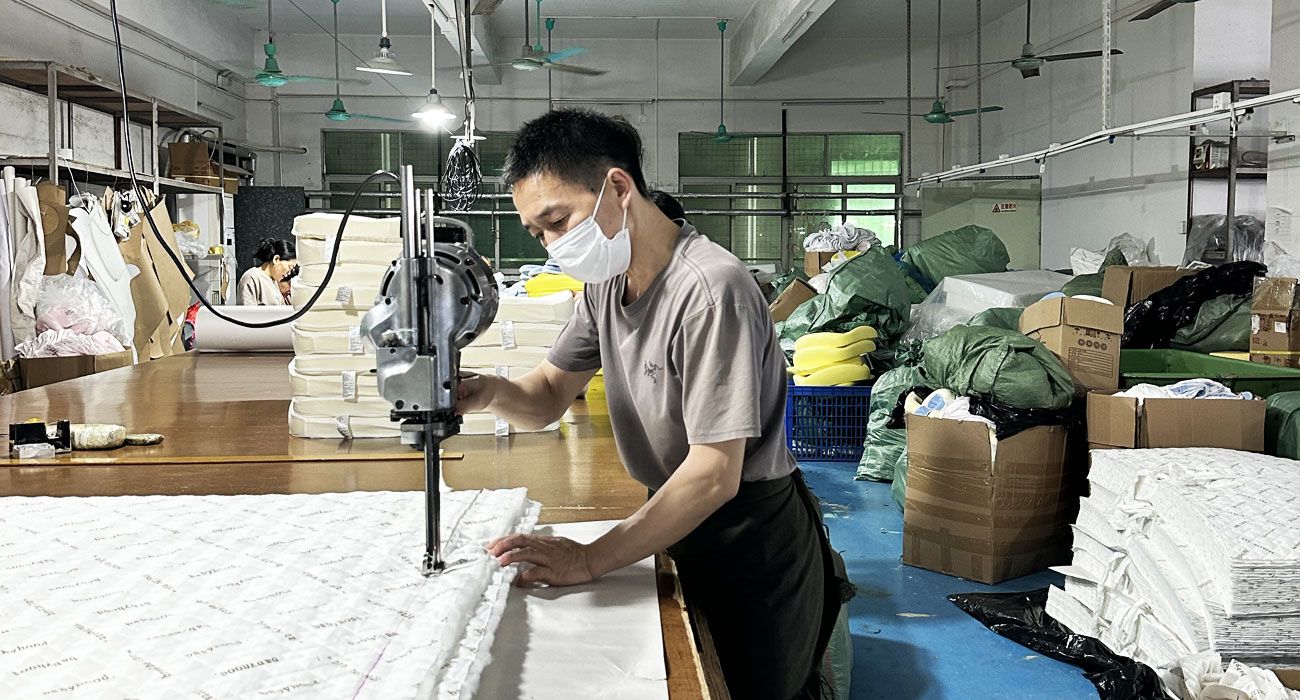
Planning a small first production run for soft goods requires defining clear product goals, confirming factory and component minimums, resolving design through sampling, and budgeting through delivery. The approach applies to bags, pillows, wearables, and other textiles. A focused strategy reduces inventory risk while ensuring consistent manufacturing.
Key points
- Define the first run's specific purpose and scope. Determine whether the batch fulfills customer orders, supplies a retail launch, or tests the production process, as "these goals lead to different quantities and approval requirements."
- Keep product variants manageable to simplify sourcing and tracking. Each color, size, or construction variation creates separate batches to source and stock, so a 200-unit order split eight ways yields only 25 units per variant.
- Verify minimums for all materials and components separately. Fabric, webbing, zippers, buckles, and labels each carry their own purchasing minimums beyond the factory's MOQ, requiring investigation of stock options before specifying custom versions.
- Select a factory with relevant soft goods experience and capability. Review comparable work, discuss how approved details transfer to production, and clarify which operations will be subcontracted for your specific product type.
- Establish written approval stages and quality criteria before production begins. Move beyond "match the sample" by documenting specific requirements like strap attachment positions, zipper operation, and reinforcement placement with an approved reference sample.
- Map cash flow and timeline through delivery and approvals. Account for sampling, materials, setup, manufacturing, packaging, inspection, and freight while identifying when payments are due and recognizing that "materials, deposits, and the production balance may require cash well before customer revenue arrives."
Summarized by MalakyeAI